Cellular Adaptation in Pathology: Board Review of Atrophy, Hypertrophy, Hyperplasia, Metaplasia, and Dysplasia
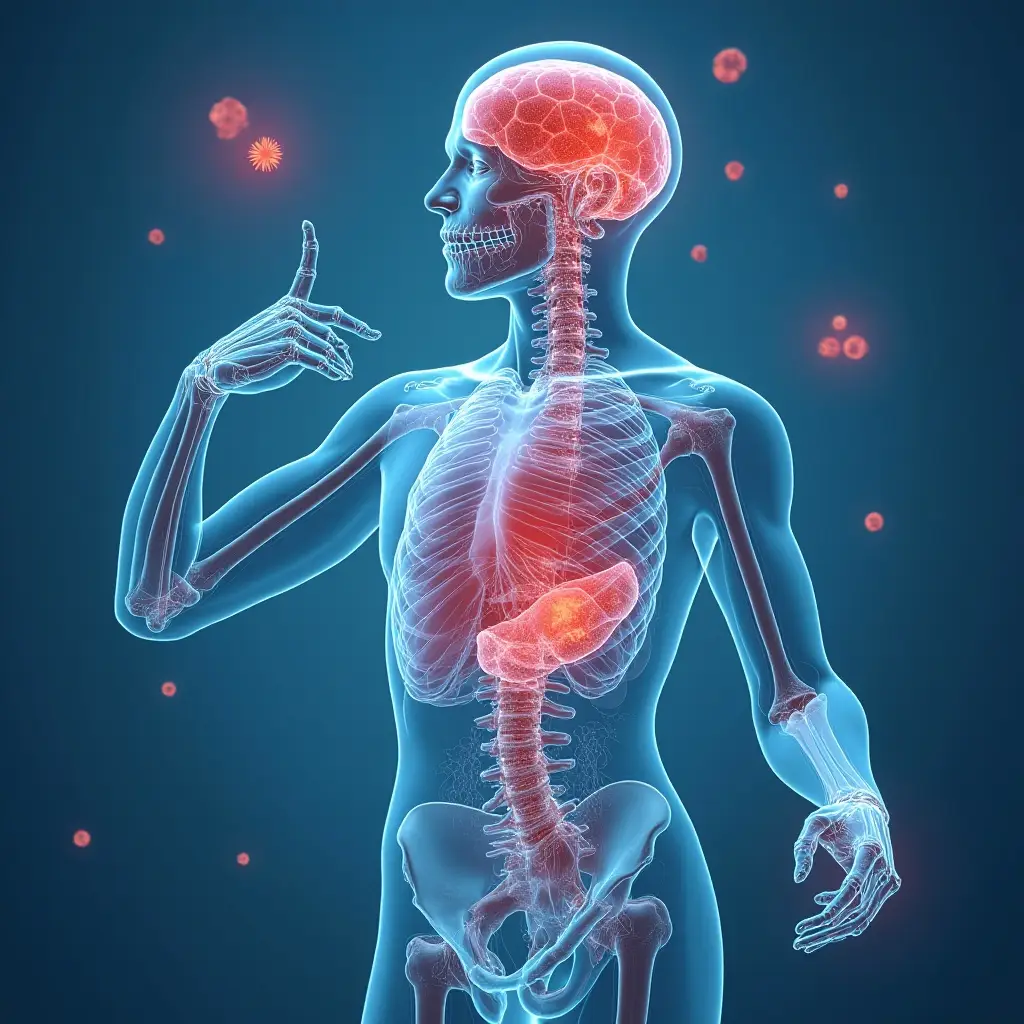
Cellular adaptation refers to reversible structural and functional changes cells undergo in response to environmental stressors, with key types including atrophy, hypertrophy, hyperplasia, and metaplasia. These adaptations help cells survive, but some, like metaplasia, can progress to dysplasia, a pre-neoplastic condition that may lead to carcinoma. Understanding these processes is fundamental for pathology and medical board exams.
By iMedipedia DeskAug 19, 2026
Doppler Shift – Detailed Study Notes (Echocardiography)
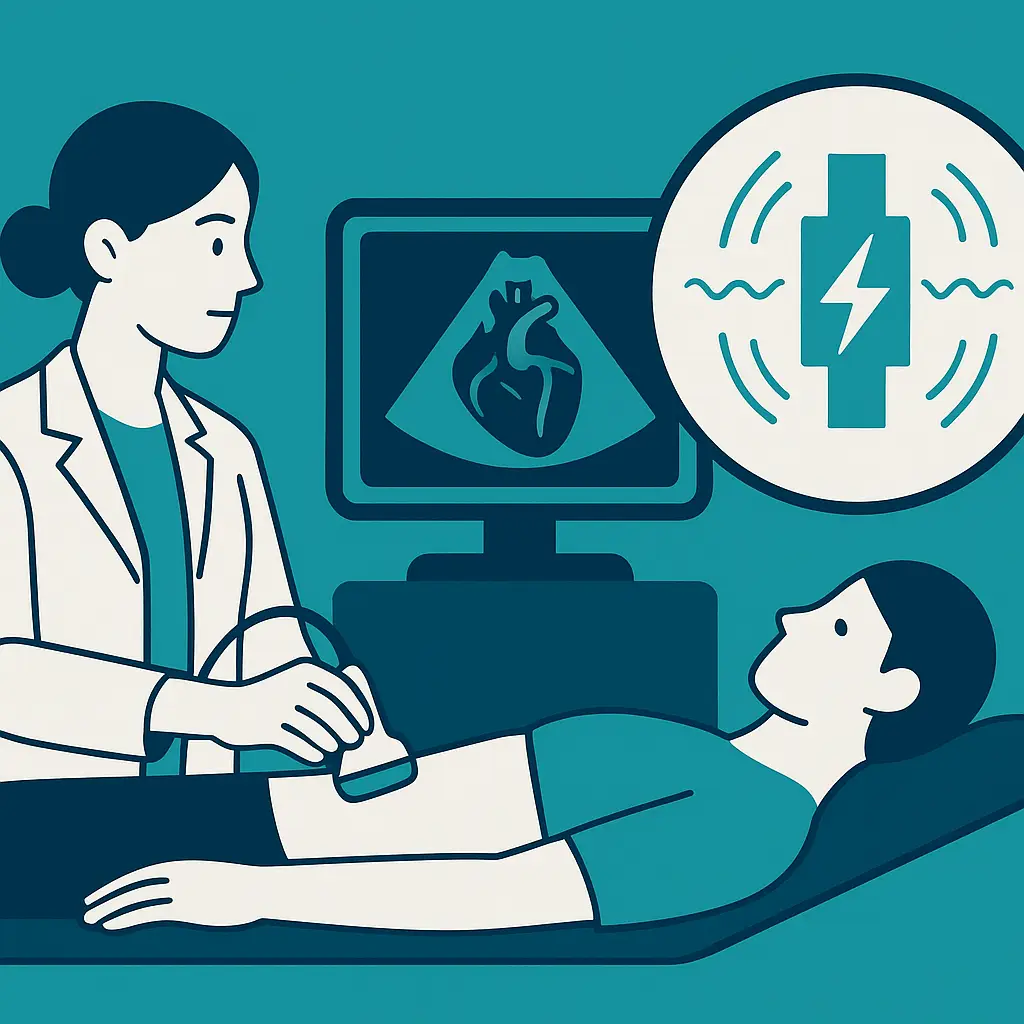
The Doppler shift is the change in ultrasound frequency caused by reflection from moving blood cells, which echocardiography uses to calculate flow velocity. Its accuracy is critically dependent on the angle between the ultrasound beam and blood flow, with angles over 30° causing significant underestimation. Clinically, this principle allows the assessment of valve function, pressure gradients, and cardiac output.
By iMedipedia DeskAug 19, 2026
Single Transducer Probe: Physics, Types, and Clinical Applications
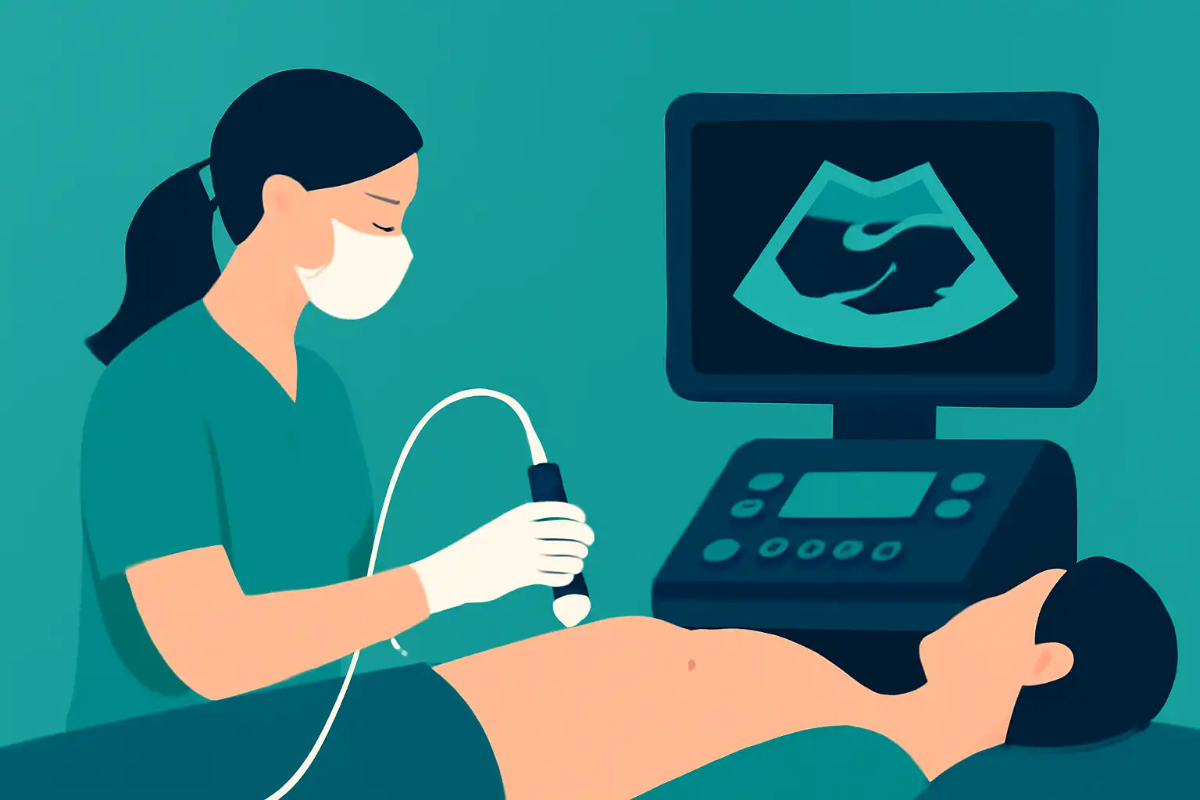
A single transducer probe is the fundamental handheld device in diagnostic ultrasound, containing piezoelectric elements that generate and receive sound waves. Its performance is governed by a key trade-off between frequency and depth, with higher frequencies providing better resolution for superficial structures and lower frequencies enabling deeper penetration. Proper probe selection and understanding its physics are critical clinical skills that directly impact image quality, artifact recognition, and diagnostic accuracy.
By iMedipedia DeskAug 14, 2026
Electromagnetic Radiation and CT Physics for FRCR Part 1
This article summarizes the essential physics of electromagnetic radiation for the FRCR Part 1 exam, focusing on X-ray production (Bremsstrahlung and characteristic radiation) and their interactions with matter. It explains that the photoelectric effect provides contrast in CT while Compton scattering is a major source of noise, and it outlines key concepts like beam hardening and dose metrics (CTDIvol, DLP).
By iMedipedia DeskAug 13, 2026
Physical Properties of Ultrasound: A Board Review for ARDMS and FRCR Exams
Medical ultrasound operates at frequencies between 2-18 MHz, where higher frequencies provide better resolution but less penetration depth. The primary loss of ultrasound energy (attenuation) in soft tissue is due to absorption. Its interaction with tissues involves reflection, refraction, and scattering, which are fundamental to image formation and artifact generation.
By iMedipedia DeskAug 13, 2026
Piezoelectric Effect: A CME Board Review for Sonography and Radiology
The piezoelectric effect allows certain materials to convert energy between mechanical and electrical forms. This bidirectional phenomenon is fundamental to ultrasound, enabling transducers to generate sound waves via the inverse effect and receive echoes via the direct effect, which is essential for all diagnostic ultrasound imaging.
By iMedipedia DeskAug 13, 2026
Cell Injury
Cell injury occurs when a stress overwhelms a cell's adaptive capacity, with hypoxia being the most common cause. The fundamental biochemical mechanisms include ATP depletion, mitochondrial damage, calcium overload, and oxidative stress from reactive oxygen species. These can lead to reversible injury (e.g., cellular swelling) or progress to irreversible injury resulting in necrosis or apoptosis.
By Site AdministratorAug 12, 2026
By iMedipedia DeskAug 12, 2026
By iMedipedia DeskAug 12, 2026
By iMedipedia DeskAug 11, 2026